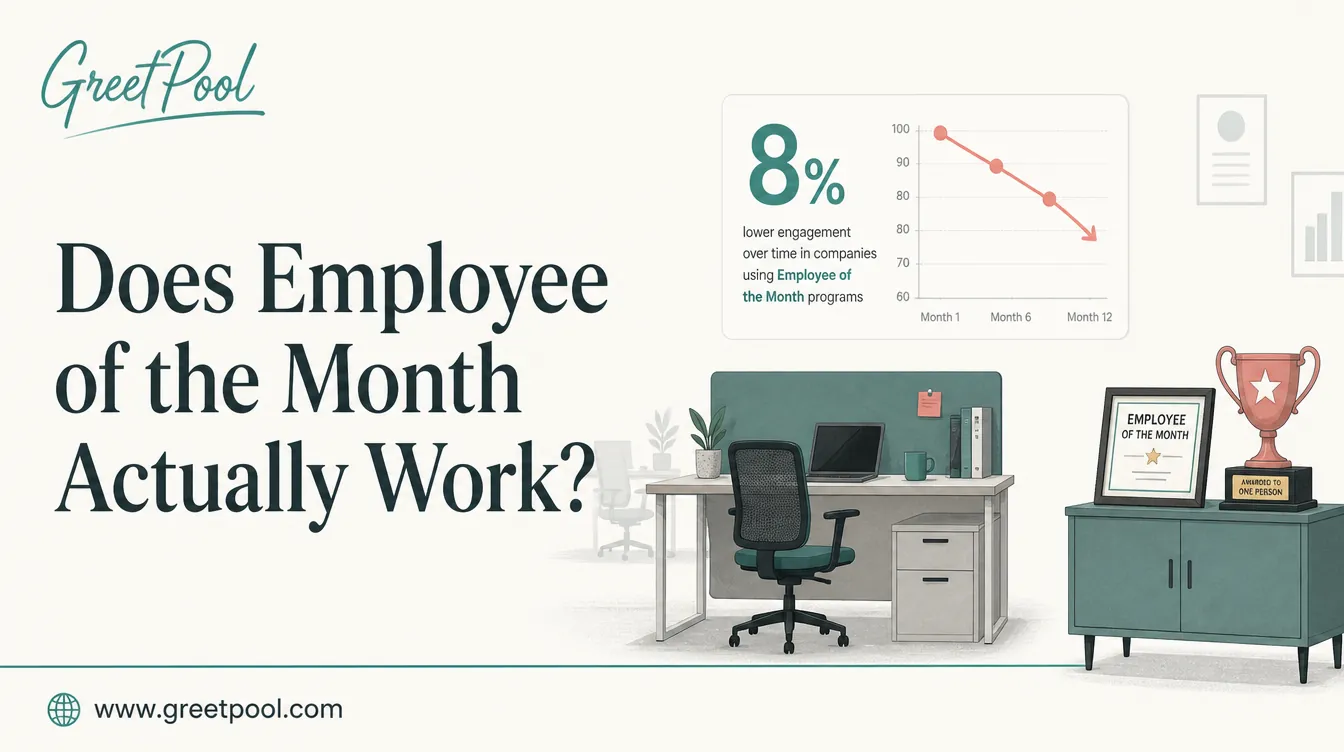
Employee of the Month often does the opposite of what it is meant to do. The best available field evidence comes from an award program studied across an industrial laundry business, where researchers found the award produced gaming, failed to change habits durably, and reduced productivity among the employees who had been performing well all along. Recognition itself is well supported by research. Ranked, repeated, single-winner awards are a specific format, and that format has documented failure modes.
What does the research say about Employee of the Month?
Timothy Gubler, Ian Larkin and Lamar Pierce studied an attendance award program introduced at one of five industrial laundry plants owned by the same company. Perfect attendance meant no unexcused absences or late arrivals in a month. The other four plants provided the comparison. The study was later published as Motivational Spillovers from Awards: Crowding Out in a Multitasking Environment in Organization Science. (Working paper, Harvard Business School · SSRN)
Four findings, in order of how uncomfortable they are.
It worked on the people it targeted. Employees who had previously had punctuality problems improved. That part matched intentions.
It produced gaming. Employees adjusted behavior around the specific eligibility criteria rather than the underlying goal. When rules define a prize, people optimise for the rules.
The improvement did not stick. The program changed behavior temporarily among eligible workers but did not establish improved attendance as a habit.
It damaged the best performers. This is the finding that matters. Workers with above-average attendance before the program lost around 8% efficiency on their daily laundry tasks afterwards, on work that was not part of the award scheme at all. The researchers attribute this to perceived inequity. People who had been reliably showing up for years watched a reward appear for behavior they had been doing unrewarded all along.
There is a further wrinkle. Once a previously reliable employee missed a single day and became ineligible, tardiness increased. The award gave them something to lose, and losing it removed the reason to keep trying that month.
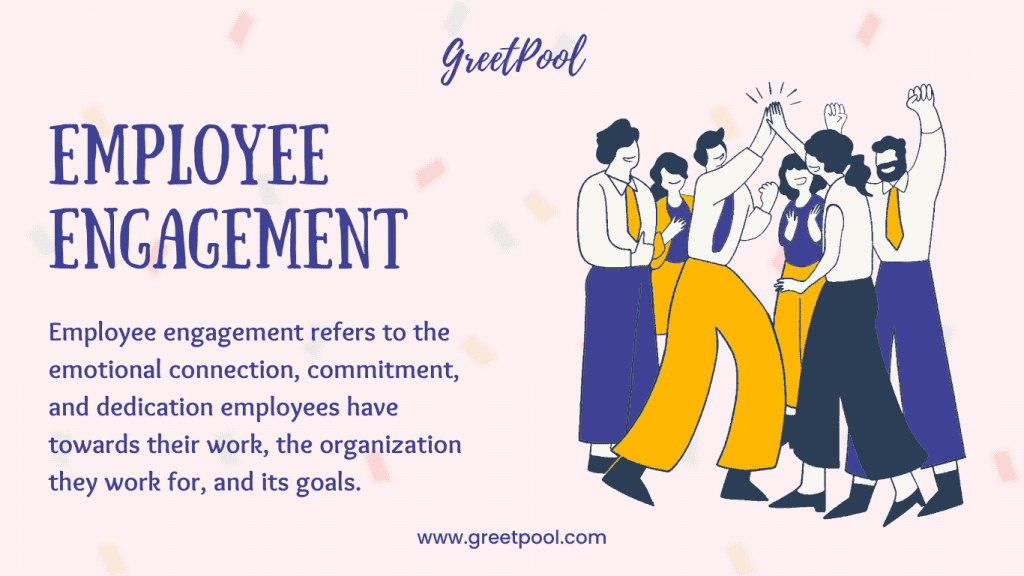
A separate study looked at the real thing rather than an analog. Johnson and Dickinson evaluated an actual Employee-of-the-Month-style program directly, an in-house Check Processor of the Week award that left a group of runners-up unrewarded, and found that programs built this way do not sustain improved performance and can even be detrimental. It is a closer match to a real Employee of the Month scheme than an attendance award at a laundry plant, and it lands in the same place.
Why does Employee of the Month backfire?
Five things are happening at once, and they compound.
Crowding out. Introducing an external reward for behavior people were already doing for internal reasons can displace the internal reason. This is a well-established effect and the laundry study is unusual in showing it spilling into unrelated tasks.
Retroactive unfairness. Announcing an award creates an implicit statement about the past. This thing we are now rewarding was previously not worth rewarding, and your years of doing it went unremarked. Your most consistent people are the ones best positioned to notice.
A monthly failure event. A single-winner monthly award generates one winner and everyone else. Repeated twelve times a year, most of your team accumulates a record of not winning. That is a structurally strange thing to build on purpose.
Perceived favoritism. When a manager picks the winner instead of an objective metric, colleagues who feel equally deserving read the choice as favoritism, whether or not that is fair. On work where output is hard to compare directly, the announcement itself becomes a data point about who the manager rates highest, and that reads very differently from a simple thank you.
Social comparison and envy. Naming one winner invites the rest of the team to measure their own contribution against the person recognized. Research on social comparison, including a 2007 study in the Journal of Applied Psychology, links being outperformed by a visible peer to lower morale and sometimes envy toward the winner. The comparison stings more than the award itself helps.
But doesn’t recognition improve performance?
Yes, and this is worth separating carefully, because the answer is not “recognition does not work.”
In a field experiment published in Management Science, Bradler, Dur, Neckermann and Non hired over 300 workers for a data-entry task and randomly handed out an unannounced thank-you card signed by a senior figure. Recognition significantly increased subsequent performance. (Management Science, 2016)
An earlier meta-analysis found social recognition and performance feedback raised productivity substantially in manufacturing and service settings.
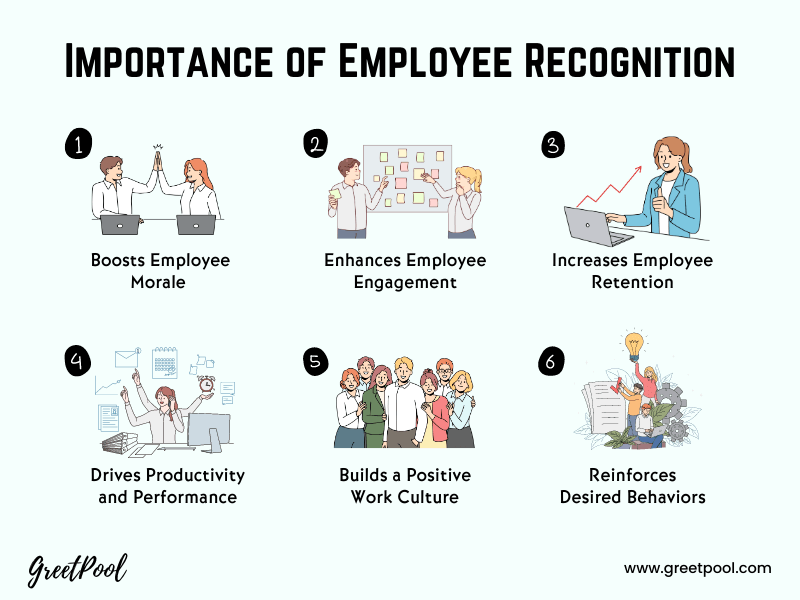
So symbolic recognition works. What the laundry study suggests is narrower. The failure is in the format, not the gesture. The variables that separate the two cases are worth naming.
| Thank-you card experiment | Employee of the Month | |
|---|---|---|
| Announced in advance | No | Yes |
| Criteria known and gameable | No | Yes |
| Competitive | No | Yes |
| Repeated on a fixed cycle | No | Yes |
| Creates non-winners | No | Yes, monthly |
Unannounced beats scheduled. Non-competitive beats ranked. That is most of the difference.
Here is one complication, stated honestly. In the same Management Science experiment, the effect was largest when cards went to the best three performers rather than everyone. Scarcity had value there. But that was a three-hour task among strangers with no future together, which is close to the opposite of an ongoing team.
What should you do instead?
The research points at a fairly specific replacement, and it is not another program.
Unannounced and specific. The experimental evidence is for recognition that arrives unexpectedly and references what a particular person actually did. No calendar, no criteria, no eligibility. A card timed for a random Tuesday is no harder to arrange than one timed for a fixed monthly date, since delivery can be scheduled ahead and tracked from a dashboard without any of the eligibility rules a competitive program needs.
From colleagues as well as managers. Peer recognition changes the social meaning. It is not a superior assessing a subordinate, so it does not create ranking.
Not competitive. Recognition that one person receiving does not prevent another from receiving avoids the entire non-winner problem.
Occasion-based rather than performance-based. Farewells, work anniversaries and completed projects give you natural moments that arrive on their own schedule and rank nobody.
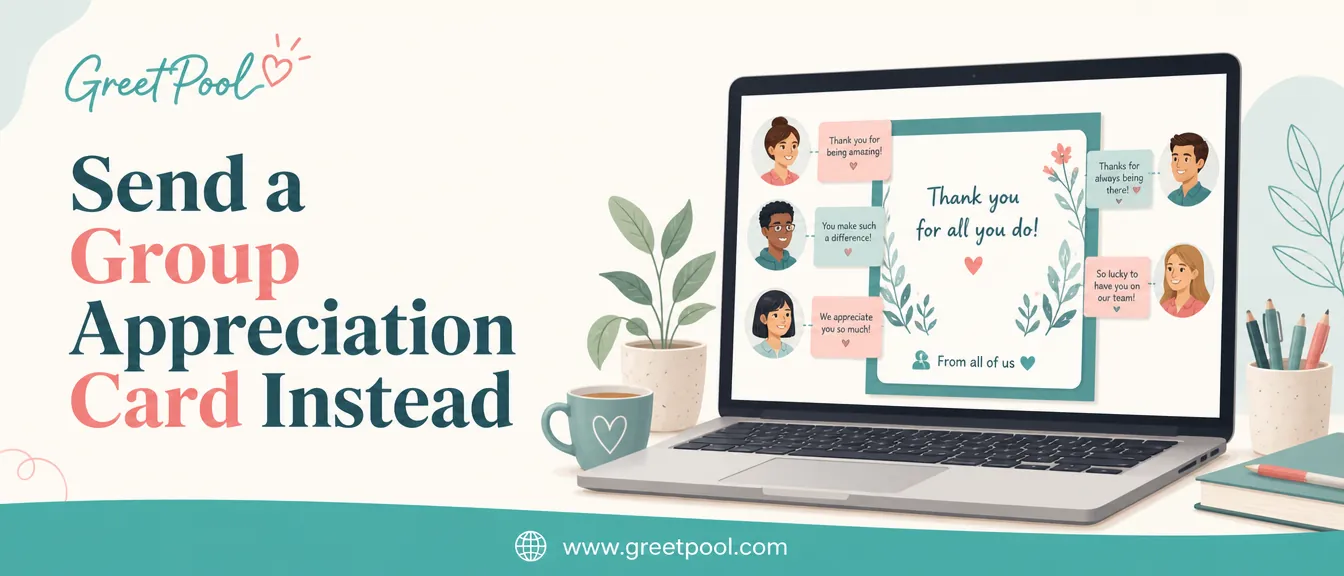
Would you like to recognize someone without turning it into a competition? A group employee appreciation card lets colleagues add their own note online with GreetPool, each on their own schedule, with no single winner and no runner-up left off the list.
When is Employee of the Month least harmful?
If you already run an Employee of the Month program and cannot remove it, these reduce the damage:
- Rotate the criteria so the award is not measuring the same dimension every month, which makes it harder to game and less predictable who wins.
- Let peers nominate rather than management alone. It changes the meaning from evaluation to appreciation.
- Recognize multiple people. Any number above one removes the single-winner structure that generates monthly non-winners.
- Never award for attendance or hours. The laundry study is specifically about a presence-based metric, which is the most gameable and the least connected to contribution.
- Do not attach material value. The more it is worth, the more it invites gaming and the sharper the loss when someone becomes ineligible.
What should you ask before starting a program?
- Who has been doing this well for years without being recognized, and how will the announcement read to them?
- Can the criteria be gamed? Assume yes and work out how.
- How many people will not win, and how often will they experience that?
- What happens to someone who becomes ineligible early in the cycle?
- Could you get the same effect from unannounced, specific thanks that costs nothing?
Recognition psychology has a few other angles worth reading. If you are weighing calling someone out in front of the team against thanking them privately, see do employees prefer public or private recognition. If exclusion is the bigger worry on your team, what happens when someone is left out of a team celebration and what to do when an employee doesn’t want to be celebrated cover two sides of that same problem. And for recognition ideas that skip the single-winner format entirely, see our top employee recognition ideas.
← More message ideas. Browse what to write for every occasion, by recipient and tone.
Research cited
- Gubler, T., Larkin, I., & Pierce, L. (2016). Motivational Spillovers from Awards: Crowding Out in a Multitasking Environment. Organization Science. Working paper · SSRN
- Bradler, C., Dur, R., Neckermann, S., & Non, A. (2016). Employee Recognition and Performance: A Field Experiment. Management Science, 62(11), 3085–3099. doi:10.1287/mnsc.2015.2291
- Stajkovic, A. D., & Luthans, F. (1997). A meta-analysis of the effects of organizational behavior modification on task performance, 1975–95. Academy of Management Journal, 40(5), 1122–1149.
- Johnson, D. A., & Dickinson, A. M. (2010). Employee-of-the-Month Programs: Do They Really Work? Journal of Organizational Behavior Management, 30(4).
Frequently asked questions
Why doesn't Employee of the Month work?
The typical format, a single announced winner chosen on a fixed monthly cycle, produces gaming around whatever criteria decide it, fails to build a lasting habit, and can lower effort among your most reliable performers by signaling that their past contribution went unrewarded. It also creates a new non-winner every month, and invites both perceived favoritism and social comparison against whoever wins.
Does Employee of the Month improve performance?
The best field evidence suggests not reliably, and that it can reduce it. A study of an attendance award program at an industrial laundry found gaming, no durable habit change, and roughly an 8% efficiency drop among workers who already had above-average attendance.
Is having an Employee of the Month a good idea?
It depends on the format of the recognition program, not the intent behind it. A competitive, announced, single-winner cycle carries documented downsides, especially when it rewards an easily gamed metric like attendance. The same underlying goal, recognizing good work, holds up well in research when it is unannounced, specific, non-competitive, and open to more than one person at a time.
Why do employees dislike Employee of the Month?
Two main reasons in the research. It implicitly signals that consistent past contribution went unrewarded, and it creates monthly non-winners, so most of the team accumulates a record of losing.
Are employee award programs ever effective?
Symbolic recognition is well supported by experimental evidence. What is less supported is the competitive, announced, single-winner, fixed-cycle format. Changing the format keeps the benefit and removes most of the documented cost.
What is a better alternative to Employee of the Month?
Unannounced, specific recognition that references actual work, ideally including peer input, and not structured as a competition. Occasion-based recognition such as anniversaries and farewells provides natural moments without ranking anyone.
Should you give an award for perfect attendance?
The evidence is against it. Attendance is the most gameable metric and the least connected to contribution, and it is exactly the case where the documented backfire occurred.